Center for the Positive Development of Urban Children
Center Overview
The Center for the Positive Development of Urban Children advances a strengths-based approach to education that centers the brilliance, resilience, and cultural wealth of urban children. Rather than framing children through deficit-based narratives, the Center’s work is grounded in the belief that children are full of promise and potential, and that it is the responsibility of educators, school leaders, and community stakeholders to create the conditions that allow that potential to emerge. This philosophy shapes the Center’s applied research, professional development, and policy-relevant work across schools and communities. Together, the Center’s work uplifts students, educators, and community stakeholders while advancing equitable education and social service systems that recognize identity, culture, and lived experience as foundations for learning, workforce readiness, child well-being, and lifelong opportunity.
Professional Development
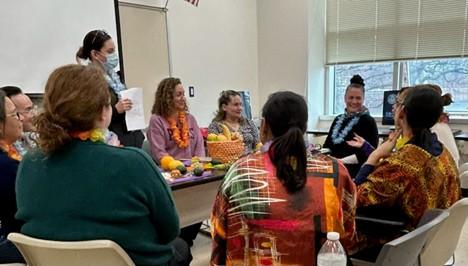
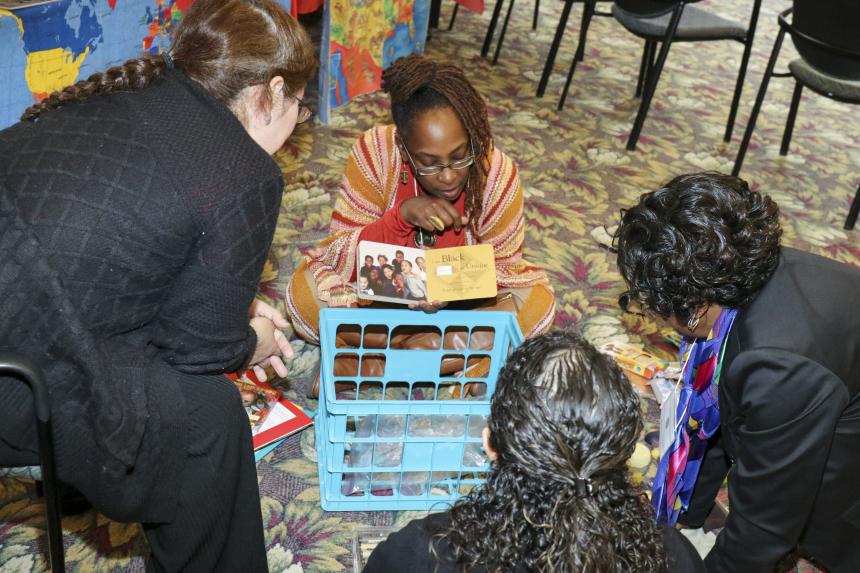
The Center’s professional development work is designed to move beyond one-time training toward sustained changes in educator practice and school culture. Through multi-day institutes, long-term mentoring, and reflective coaching, educators and school leaders are supported in examining how assumptions, bias, and instructional approaches shape student outcomes. This work emphasizes culturally responsive education as an ongoing practice rather than a fixed competency.
Over extended engagement periods, educators deepen their capacity to recognize students’ linguistic, cultural, and experiential knowledge as assets for learning. By pairing professional development with mentoring and follow-up support, the Center helps translate theory into daily classroom and leadership practice, fostering environments where children experience belonging, affirmation, and opportunity.
Research and Programs
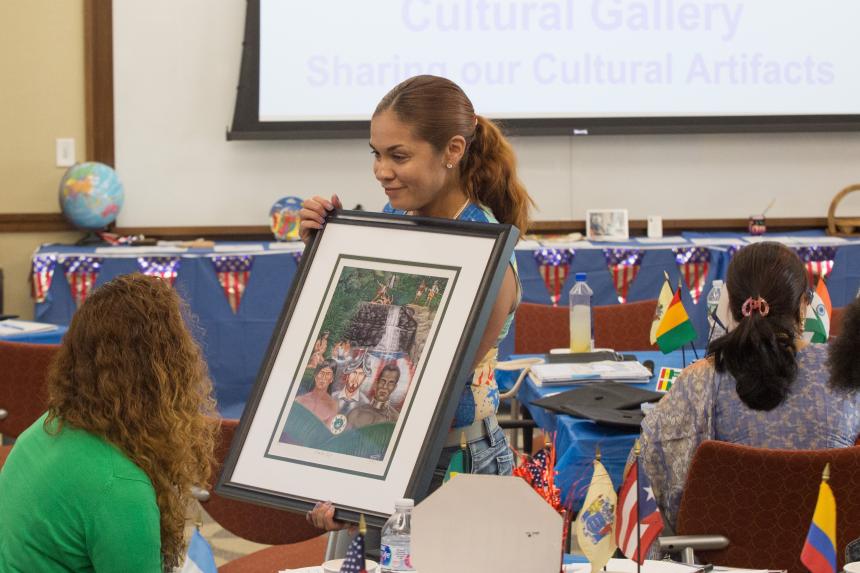
A signature initiative of the Center is the New Jersey Cultural Competency and English Language Learning Institute and Mentoring Program that has developed a culturally responsive program assessment tool, which has demonstrated strong reliability and validity and is now positioned for broader implementation. This tool provides educators and administrators with a structured framework to evaluate and strengthen culturally responsive practices within their schools. Importantly, the assessment is paired with coaching and guided reflection, enabling schools to translate data into meaningful action.
The Center’s research and programming consistently highlight how bilingualism, biliteracy, cultural identity and socio-emotional intelligence function as strengths rather than barriers. By supporting schools in creating learning environments that affirm students’ full identities, the Center helps expand academic pathways, strengthen student engagement, and support long-term educational and career success for aspiring practitioners, in-service teachers, school leaders, and community stakeholders. The culturally responsive program has been featured at international and national conferences and publications. Our latest publication: Cultural Trailblazers: The COVID Years.
Policy Connection
The Center’s work carries clear implications for education policy and systems change. Its initiatives align with and inform priorities related to whole-child education, culturally responsive teaching, bilingual and biliteracy pathways, trauma-informed practice, and educator workforce development. By demonstrating how these priorities can be operationalized through sustained professional development and institutional support, the Center provides a model for translating policy goals into effective school-level and social service-level practice.
This work also highlights the importance of school leadership in advancing inclusive education. By engaging principals and administrators alongside teachers, the Center reinforces the role of leadership in setting expectations, allocating resources, and championing culturally responsive approaches across entire school communities.
Seven Policy and Research Focus Areas
- The visibility of the childcare industry as an economic driver for New Jersey that leverages more resources for universal preschool.
- Securing a diverse workforce for schools that meet the needs of diverse students learning English as a second language.
- Encourage and sponsor culturally responsive professional development that is inclusive of the cultural/linguistic wealth each student brings to the learning table and assist school leaders to confront systematic racism to address disparities in urban communities.
- Promote the infusion of socio-emotional approaches and health practices that support both children and caregivers, focusing on the whole child and the whole educator/caregiver.
- Foster best practices to minimize toxic stress and close the learning gaps in urban children.
- Support and encourage the adoption of coaching and mentoring models at all levels of the educational and social service fields.
- Identify and support opportunities for youth and young adults to gain exposure to career pathways for working with children and families.
Community and Family Engagement
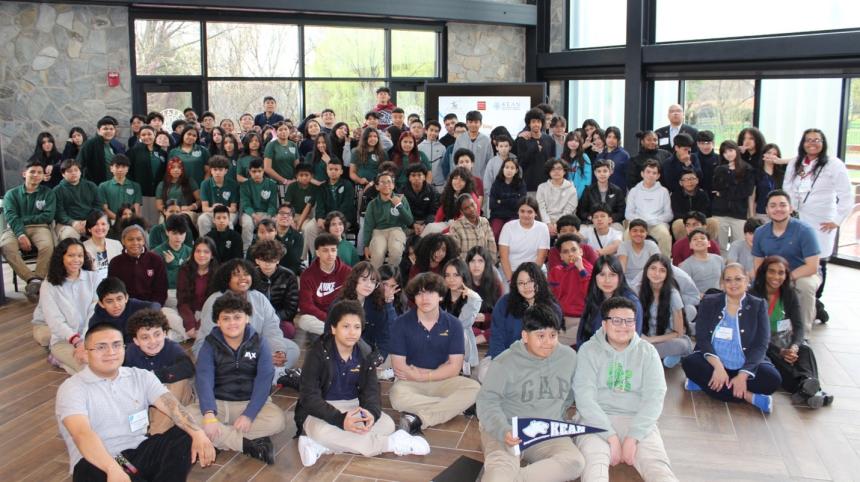
Families and communities are integral partners in the Center’s work. Parents, caregivers, and community members are recognized as holders of cultural wealth whose knowledge and experiences enrich curriculum and strengthen student learning. By creating spaces where families feel seen, valued, and included, the Center helps schools build trust, foster belonging, and support student success beyond the classroom. The Center collaborates with many community partners that touch the lives of urban children through their formal education programs, out of school programming, and summer initiatives.